
The Turning Point USA (TPUSA) All-American Halftime Show was promoted as a celebration of “faith, family, and freedom,” featuring performances by Kid Rock, Brantley Gilbert, Lee Brice, and Gabby Barrett. Positioned as counterprogramming to the Super Bowl LX halftime show headlined by Bad Bunny, TPUSA’s event aimed to offer an alternative cultural and musical experience for a conservative audience.
What TPUSA Promised Viewers
Turning Point USA positioned its All-American Halftime Show as more than just a musical performance. According to the organization, the event was meant to celebrate what it describes as core American values — faith, family, and freedom. These themes were repeatedly emphasized throughout the promotion of the show and reflected TPUSA’s broader ideological messaging.
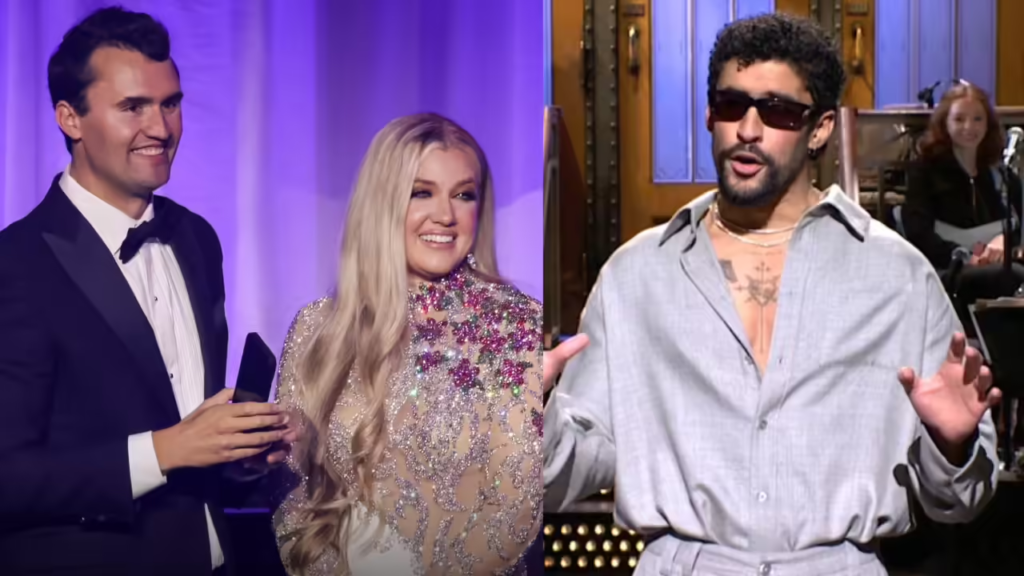
Interestingly, information about the halftime show itself was not immediately visible on the organization’s homepage. Visitors first encountered donation appeals, promotional material for the late founder Charlie Kirk’s final book, Stop, in the Name of God, and calls to action encouraging supporters to participate in TPUSA’s long-term vision. That vision centers on recruiting high school and college students to help shape what the organization describes as the next generation of leaders rooted in patriotism, religious belief, and national identity.
This framing made it clear that the halftime show was not simply entertainment, but also part of a wider movement-building effort. The music served as a gateway to reinforce TPUSA’s mission and mobilize its audience.
A Direct Counter to the Super Bowl Halftime Show
The TPUSA All-American Halftime Show was deliberately scheduled to run during the Super Bowl LX halftime, directly positioning it as counterprogramming to the NFL’s official performance headlined by Bad Bunny. This move followed vocal backlash from some conservative commentators who criticized the selection of the Puerto Rican, Spanish-speaking artist as the Super Bowl’s main entertainment.
By offering an alternative halftime experience, TPUSA aimed to capture viewers who felt disconnected from the NFL’s cultural direction. The organization framed its show as a return to traditional American themes, contrasting sharply with what it portrayed as the mainstream entertainment industry’s priorities.
Kid Rock amplified this positioning during media appearances, describing the TPUSA event as music for people who “love America, love football, and love Jesus.” The contrast between the two halftime shows quickly became a talking point online, fueling debate about representation, patriotism, and the role of politics in entertainment.
Kid Rock, Capitalism, and Controversy
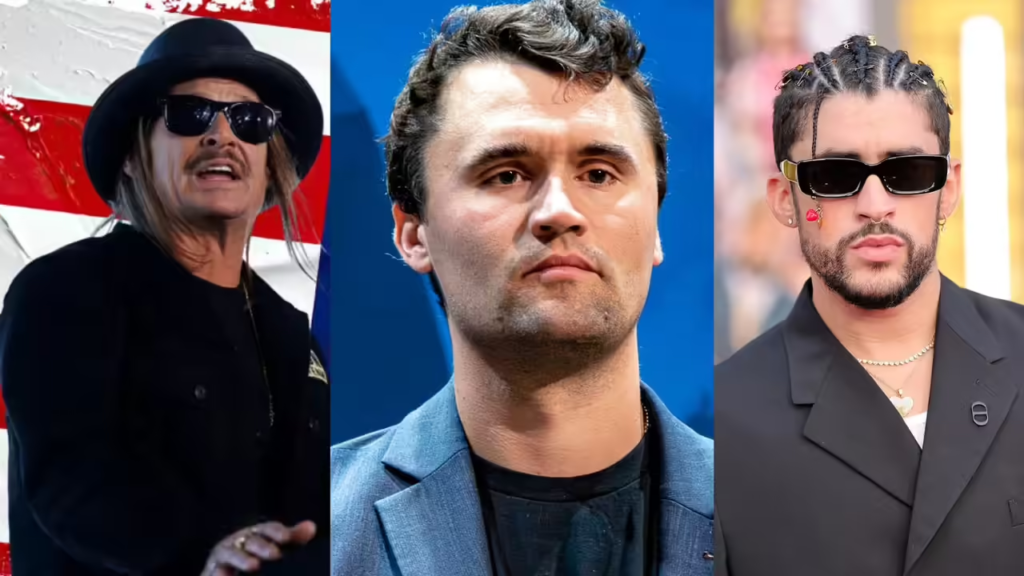
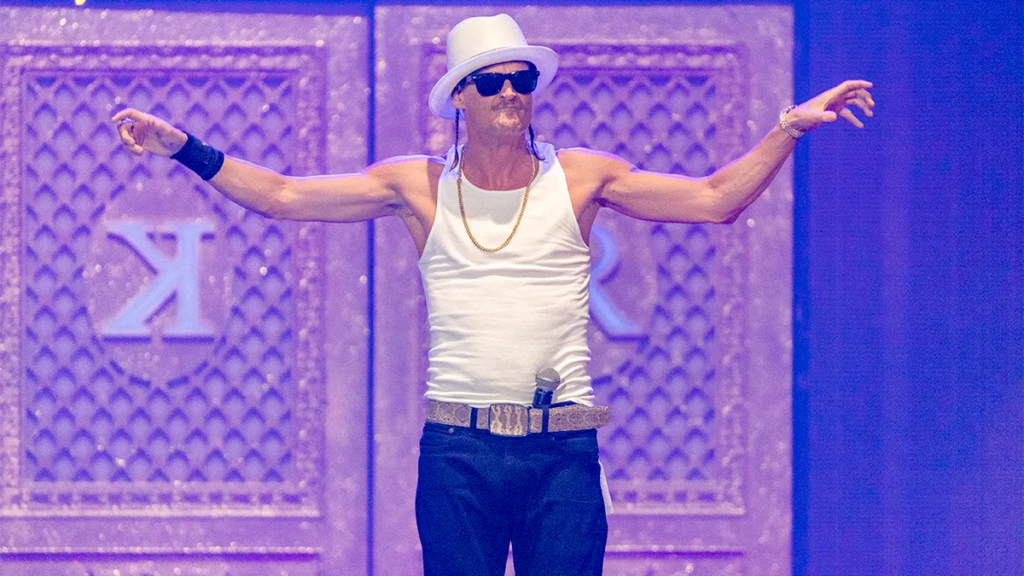
Kid Rock’s involvement brought both star power and controversy to the TPUSA halftime show. While promoting the event, he promised a high-energy opening rooted in classic rock before transitioning into what he described as one of the best-written songs in modern country music. That song was later revealed to be his acoustic cover of Cody Johnson’s award-winning ballad, “Til You Can’t.”
In keeping with his reputation as a savvy self-promoter, Kid Rock also announced plans to release the song commercially at midnight following the performance. He did not clarify whether any proceeds would benefit TPUSA, a detail that drew criticism from observers who questioned the blending of political messaging, personal branding, and monetization.
The discussion also resurfaced scrutiny of Kid Rock’s past lyrics and public statements, some of which critics argue clash with the family-values narrative promoted by the event. Despite this, Rock maintained that the show was driven by positivity rather than animosity, a point echoed by fellow performer Brantley Gilbert in social media posts.
More from Billboard
- Brandi Carlile Sets Patriotic Mood at Super Bowl LX With Stirring ‘America the Beautiful’ Performance
- Cardi B Says She’s ‘Proud’ of Bad Bunny Ahead of Super Bowl Halftime Moment
- How to Watch Super Bowl LX & Bad Bunny’s Halftime Show Online for Free
Real-Time Recap of the TPUSA Halftime Show
4:49 p.m. PT – Countdown and Tribute
The show opened with a countdown and a salute to Charlie Kirk, paired with promotional messaging for Hillsdale College and on-screen prompts encouraging viewers to buy merchandise and text “freedom” to get involved with TPUSA.
4:53–4:55 p.m. PT – Ads and Political Messaging
Commercials promoting adoption and conservative values aired briefly before being cut off for unrelated ads, followed by a brief appearance by Department of Defense head Pete Hegseth, who delivered a patriotic message.
5:04 p.m. PT – Viewership Builds
More than 1.9 million viewers waited on TPUSA’s YouTube livestream as the chat filled with American flag emojis and messages from viewers across the country.
5:11–5:20 p.m. PT – Brantley Gilbert Takes the Stage
Gilbert opened with a guitar-heavy instrumental of “The Star-Spangled Banner” before performing “Real American” and a slowed-down version of “Dirt Road Anthem,” drawing strong reactions from the live audience.
5:20–5:27 p.m. PT – Gabby Barrett Performs
Barrett followed with her hits “I Hope” and “The Good Ones,” delivering one of the night’s most polished vocal performances.
5:27–5:34 p.m. PT – Lee Brice’s Set
Lee Brice performed “Drinking Class,” “Country Nowadays,” and “Hard to Love.” His song “Country Nowadays” stood out as the most overtly political moment of the night, drawing cheers for its socially conservative themes.
5:34–5:45 p.m. PT – Kid Rock Headlines
Kid Rock closed the show with “Bawitdaba,” followed by an acoustic and emotional rendition of “Til You Can’t.” He debuted a new verse referencing Christianity and concluded with a tribute video honoring Charlie Kirk.
Audience Reaction and Cultural Impact
The livestream attracted significant online attention, with millions tuning in across TPUSA’s platforms. However, footage suggested that the in-person audience was relatively small, creating a noticeable contrast between digital reach and physical attendance.
Reactions across social media and entertainment outlets were sharply divided. Supporters praised the show for its patriotic themes and straightforward musical performances, viewing it as a refreshing alternative to the NFL’s halftime spectacle. Critics, on the other hand, described the production as underwhelming, citing limited staging, modest production value, and a lack of mainstream star appeal.
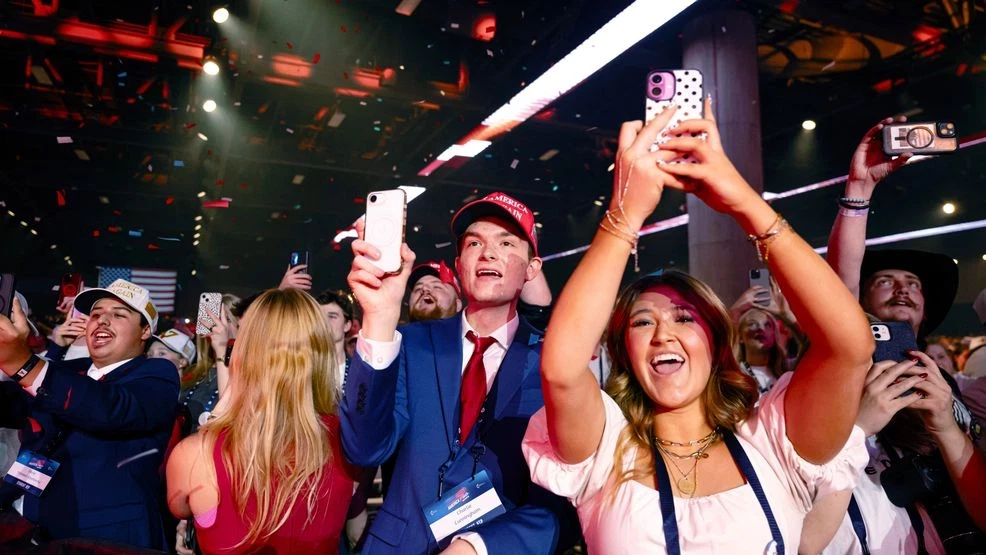
The event also reignited broader cultural debates about the intersection of politics, music, and national identity. By positioning itself against the Super Bowl halftime show, TPUSA ensured that its event would be judged not only on artistic merit, but also on ideological grounds. Regardless of opinion, the All-American Halftime Show succeeded in drawing attention and sustaining conversation well beyond its runtime.
Disclaimer: This article is based on publicly available information, livestream coverage, and real-time reporting. It does not endorse or oppose any political organization, ideology, or performer. All views expressed by artists and participants belong to them individually.
FAQs
Super Bowl LX Party: Alix Earle, Brady in the Spotlight
Super Bowl LX was not just about touchdowns, halftime shows, or championship glory. This year,…
Green Day’s Super Bowl Gig: Less Fire, More Flags
Green Day’s appearance at Super Bowl LX at Levi’s Stadium in Santa Clara, California, carried…
Live Now: TPUSA Halftime Show with Kid Rock & Stars
The Turning Point USA (TPUSA) All-American Halftime Show was promoted as a celebration of “faith,…
Jim Carrey as Grinch Again? Fans Can’t Hide the Love
Jim Carrey and Taylor Momsen (Cindy Lou Who) reunite years after starring in the 2000…
Breaking Barriers: The Rise of Strong, Independent and Fearless Women
The rise of strong, independent, and fearless women represents a powerful transformation in today’s world….

PlayStation Plus Free Games Feb 2026 Look Epic
Sony has announced the PlayStation Plus monthly games for February 2026, and confirmed the previously-leaked…
#TPUSA #AllAmericanHalftimeShow #KidRock #BrantleyGilbert #LeeBrice #GabbyBarrett #SuperBowlHalftime #MusicAndPolitics #PopCultureDebate #LiveEvent#Carrerbook#Anslation